If You Don't Define Success Before Your Event, Someone Else Will Define It After
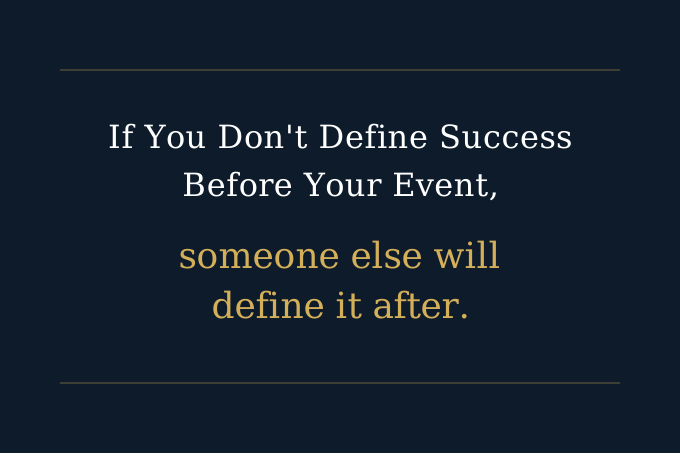
If You Don't Define Success Before Your Event, Someone Else Will Define It After
I planned a holiday party that was, by every measure, a success.
The room was stunning. The energy was exactly what we designed it to be. Guests were engaged, the program landed, and every single goal we set out to achieve was achieved. I left that event proud.
Then the Monday morning meeting rolled around.
The sweet potatoes were burned. The valet line was too long. And just like that, a beautifully executed event became a conversation about two things that had nothing to do with why we planned it in the first place.
Not a single word about the goals we hit. Not a word about what we designed people to feel. Just the sweet potatoes. Oh and a refund for the said sweet potatoes and a free trip to Napa Valley from the hotel from the pain and suffering from the said sweet potatoes.
Here is what I learned that day: if you do not define what success looks like before the event, your client will define it after. And they will define it based on whatever is freshest in their memory, which is almost never the thing you worked hardest to get right.
The Problem Is Not the Sweet Potatoes
The burned sweet potatoes were a catering issue. The valet was a vendor issue. Neither one had anything to do with the purpose of that event.
But because we never sat down at the beginning and said "here is what this event needs to accomplish, and here is how we will know if it did," there was no framework for the conversation after. There was no scorecard. There was no agreed upon definition of what winning looked like.
So my client filled that void with feelings. And feelings after a long event night often lead straight to the sweet potatoes.
What I Do Differently Now
Before I plan a single thing, before I look at a venue, before I talk to a single vendor, I sit down with every client and we define success together.
What do we want people to feel when they walk in? What do we want them to do differently because they attended? What do we want them to remember one week later? What are the three things that, if they happen, make this event a win no matter what else occurs?
We write it down. We agree on it. We refer back to it.
That is not just good planning. That is Strategic Experience Design. It is the planning before the planning, and it is the thing that protects your work, your reputation, and your client relationship when someone inevitably notices the sweet potatoes.
Define It First or Defend It Later
You will never control every variable at a live event. The valet will sometimes be slow. The catering will occasionally miss. Those things happen and they are not a reflection of your strategy or your skill.
But if you have a success framework in place from day one, those moments stay exactly where they belong: as isolated operational issues, not a verdict on the entire event.
Your client hired you to create an outcome. Make sure you both agree on what that outcome is before a single invitation goes out.
Events without strategy are just expensive parties. And expensive parties are very easy to criticize after the fact.
Setting success measures before you plan is one of the first things you learn inside the CPES certification. If you are ready to build that framework into every event you design, enrollment is open now.